
I don’t know why but I have this fixation with private members clubs.
Maybe it’s just the prolific growth of them. Or the fascination of the culture within the phone-free walls. Or the clientele who belong there.
I remember the first time I visited SoHo House in New York; having puttered around a few co-working spaces during my early years in the city, I expected it to be similar but the vibe was drastically different. There was a sense of balance here.
Yet, I also remember feeling out of place. I was a newcomer to the journalism scene, didn’t think I could afford much on the menu and certainly not any of the ornate tchotchkes lining the shelves around my table should I accidentally knock one to the floor.
It was only about a decade later when I checked into the Fitler Club in Philadelphia that I felt the opposite—welcomed, part of a greater cultural shift and inspired. Then, I started noticing members clubs popping up everywhere (I wrote about it for Travel + Leisure).
One even moved into my backyard on Commonwealth Avenue in Boston. In a city that often lives in the shadows of New York, I couldn’t believe the renaissance had found its way here, too, via The ‘Quin House.
After debuting in July 2021, The ‘Quin House skyrocketed to one of the most popular hangouts in town. Members-only reservations, a no camera/phone policy throughout (despite some of the best presentations of cuisine in the city) and this hushed air of quiet confidence, but not cockiness, furthered my club fixation.
So I chatted with The Quin’s managing director, Matthias Kiehm, to learn more about how it’s evolved in the last five years, as well as the broader appeal of the membership concept and some of his favorite eateries beyond club walls.
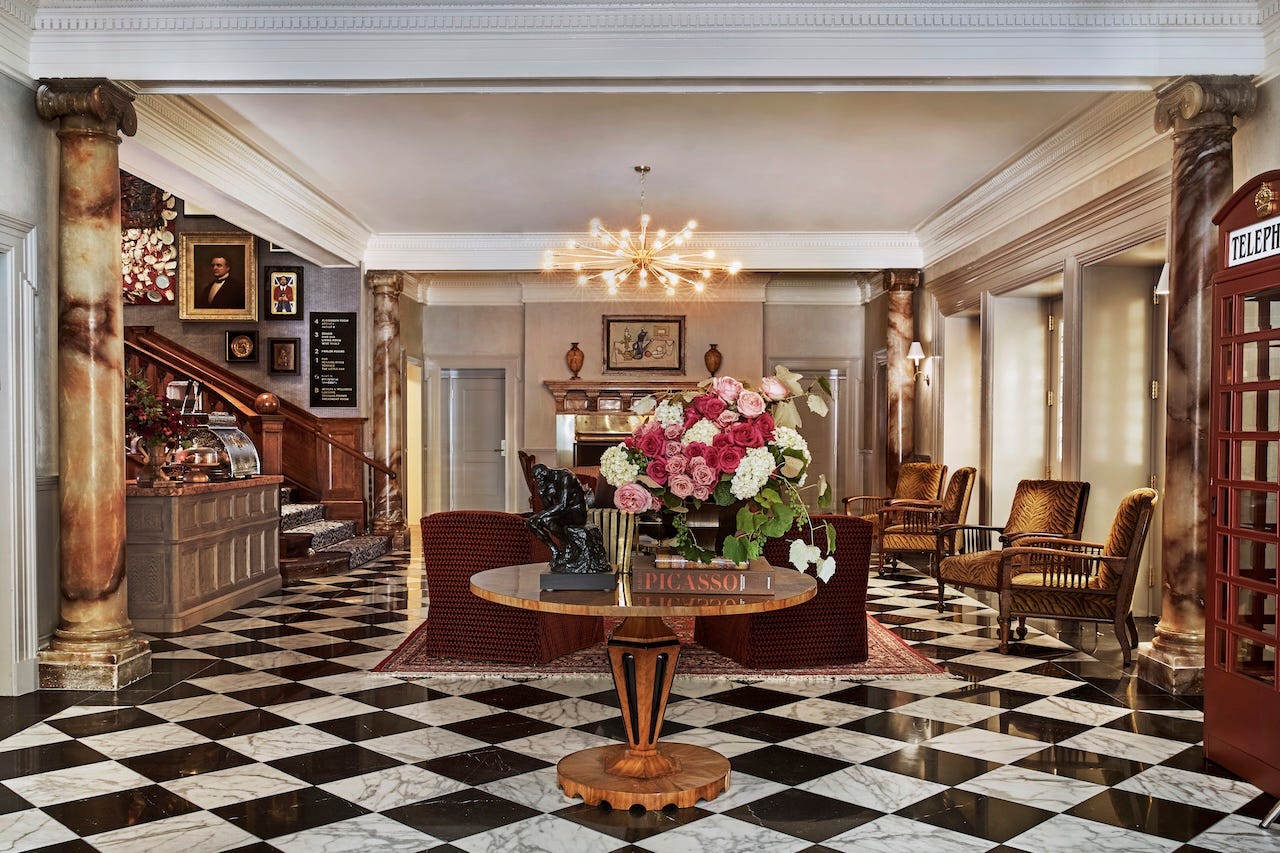
Why was The ‘Quin’s lifestyle-focused approach selected for Boston versus a more niche concept centered solely around wellness or another singular focus?
People rarely fit into a single sphere. Someone who enjoys elevated dining may also be passionate about philanthropy, travel, wellness, entrepreneurship, and the arts. Under the vision of co-founders Sandy and Paul Edgerley, we sought to create a place that reflected the complexity of people’s lives rather than asking them to choose one interest. The most interesting communities are often built when people with different backgrounds and passions come together around shared curiosity, which is exactly what we have created.
How have you noticed Boston’s social and cultural scene evolve since The ‘Quin House opened?
One of the things I’ve always appreciated about Boston is that it has a unique identity, and the community champions connections and giving back. There is energy around sports, the arts, hospitality, food, culture, science, innovation, and community. People are looking for experiences that feel meaningful and authentic. They still want to be entertained, of course, but they also want to learn something, meet someone new, or leave with a different perspective. That has been exciting to watch.
How would you describe the difference between a members club versus coworking concepts?
Coworking spaces serve an important purpose, with a primary focus on settings conducive to productivity. A social club begins with people—work may be one aspect of the experience, but the real value comes from the connections that happen around it. A member may come for a meeting in the afternoon, attend an event in the evening, dine with friends afterward, and ultimately develop relationships that extend far beyond the workplace. A social club experience is much more holistic.
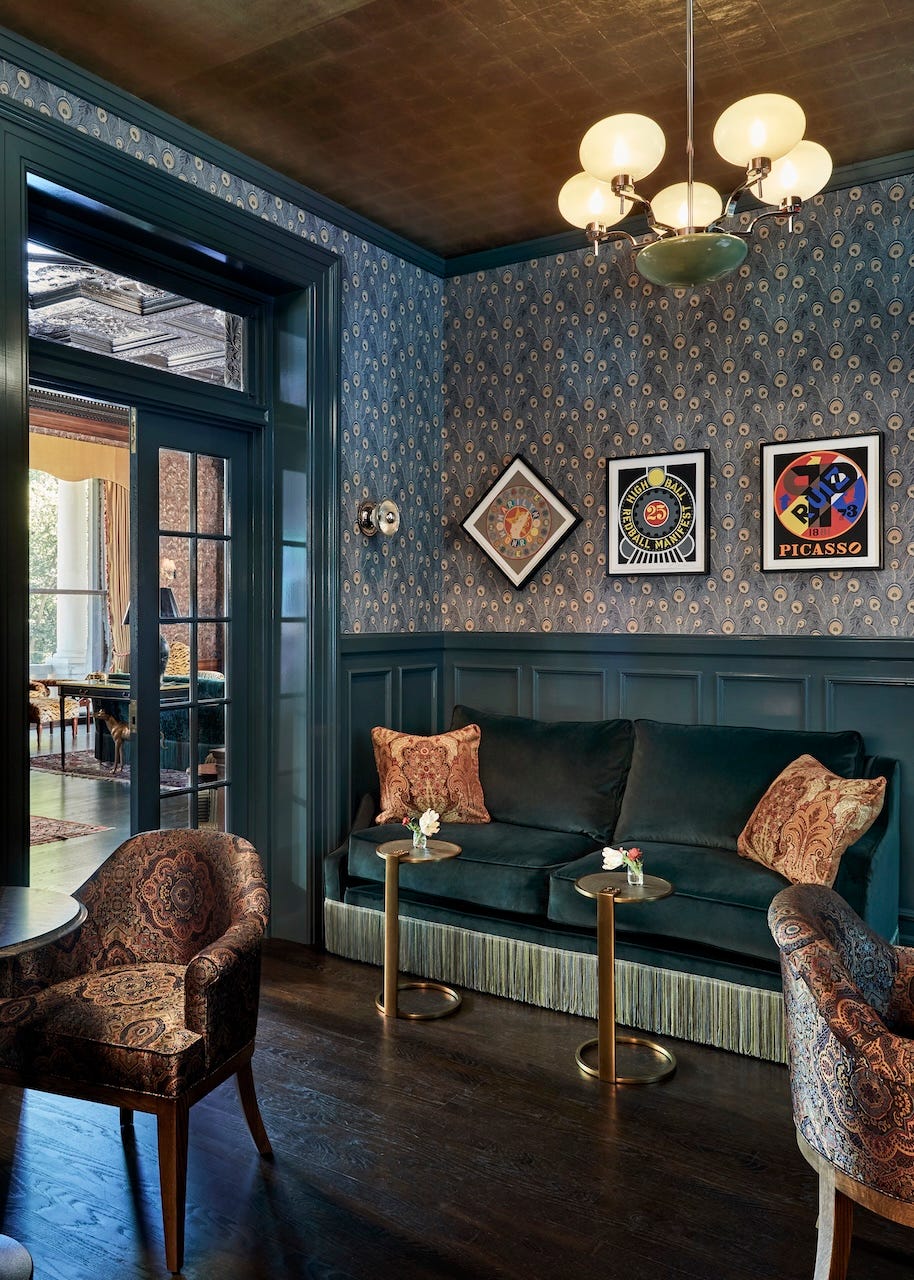
Why do you think members clubs are mostly clustered in urban environments?
Having lived and worked in cities around the world, I’ve always found that great cities create opportunities for unexpected encounters. People come together to exchange ideas, meet someone with a different perspective, or discover something new. What’s interesting today is that, despite being more connected digitally than ever before, there seems to be a growing desire for genuine, face-to-face connection. Cities naturally provide that energy. A members club simply creates a setting where those interactions can happen more intentionally.
What value do these clubs offer to an already social urban landscape of restaurants, bars, museums, and other hubs designed for community connection?
Cities offer many wonderful places to gather, but most are transactional. You visit, enjoy the experience, and move on.
A social club is different because it creates continuity.
Over time, familiar faces become friends, introductions turn into relationships, and members begin to feel part of something larger than themselves. That’s difficult to replicate elsewhere.
Where can we find you when you’re not at The ‘Quin House?
Kava, a Greek taverna in the South End.
ZURiTO for Basque tapas in Beacon Hill.
Pagu in Cambridge (Euro-Japanese tapas from James Beard Foundation-nominated chef Tracy Chang).
Nightshade Noodle Bar in Lynn.
Eataly to shop for culinary provisions (in the Prudential Center of Back Bay).
Browsing the Museum of Fine Arts, one of Boston (and the world’s) premier museums.
Essential of the week: Away Weekender Bag
This summer has been full of quick weekend getaways closer to home, which means packing lighter than usual. I’ve leaned into rolling up only the necessary items for two nights away (plus an extra top or two in case for last minute changes) and this weekender bag fits ‘em all!
I love the variety of compartments this bag has, including a partial zipped exterior for my laptop, internal organizers for smaller items like tech and makeup, plus a clamshell-style main chamber that’s deep dimension stores deceptively more than meets the eye. Oh and I love that it’s waterproof!
Recent work:
Looking for the perfect travel shoe? Experts weigh in.
This simple appetizer is actually a hit year round.
Steak flight anyone? Beef provenance is trending.
XO,